
As health and wellness trends grow in corporate workplaces, office meal preferences in Noida are shifting. Regular tiffin services and even b2b thali services in Noida have long provided comfort and familiarity, but modern employee needs—nutrition, sustained energy, and managing lifestyle diseases—are driving demand for healthier alternatives. Research shows that 62% of corporate employees now prioritize nutrition over taste, while 78% feel more productive after consuming balanced, non-greasy meals.
This analysis explains the difference between regular and healthy tiffin services, why Noida’s B2B food programs are evolving, and how companies are strategically modernizing daily meals.
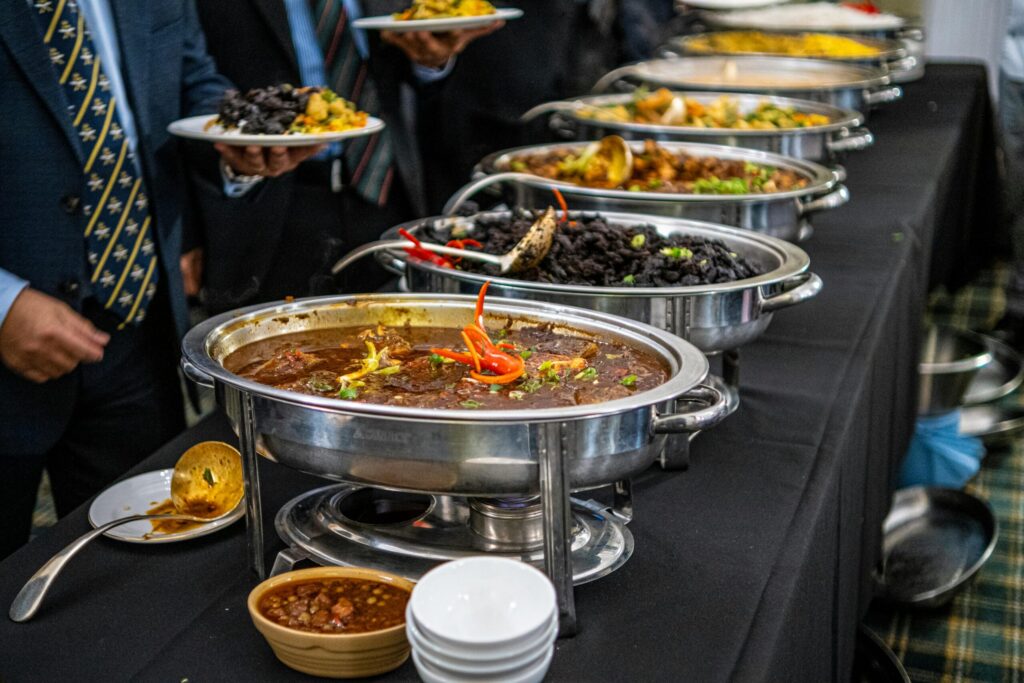
Regular tiffin services offer home-style dishes such as dal-chawal, roti-sabzi, rajma-rice, and paneer gravies. These meals appeal to nostalgia and focus on satisfaction rather than nutritional balance.
These meals often include generous oil, ghee, and spices, following an “eat till you are full” philosophy. While filling, this commonly leads to overeating and post-lunch sluggishness.
Regular tiffin services is cost-effective, typically priced at ₹60–90 per meal, making it appealing for cost-sensitive employees and companies.
Heavy, oily meals often trigger afternoon energy crashes. Employees consuming high-carb, high-fat lunches show 25–30% lower productivity between 2 PM and 4 PM.
Refined grains, excess sodium, and minimal whole foods dominate most regular office meals, contributing to long-term health risks like obesity, hypertension, and diabetes.
Monotonous menus consisting of 10–12 rotating dishes create food fatigue, pushing employees to seek alternatives elsewhere.
Healthy corporate tiffin services focus on balanced macros—25–30% calories from protein, moderate healthy fats, complex carbs, whole grains, and diverse vegetables.
High-quality services rely on fresh ingredients, minimal processing, and traditional cooking methods. Artificial preservatives are avoided.
Healthy meals provide adequate calories (typically 400–550) to prevent overeating. Dietary customisation (vegan, low-carb, diabetic-friendly, heart-healthy) is integral—unlike traditional tiffin services models.
Organizations adopting healthy meal programs report reduced absenteeism and fewer lifestyle-related issues due to improved nutrition.
Balanced meals prevent energy crashes, resulting in 30–40% improved productivity—making the slightly higher cost worthwhile.
Wellness-focused meal programs help attract and retain talent. Candidates increasingly evaluate workplace well-being and food programs before joining.
Studies indicate that 55–65% of employees prefer healthier meals if the price premium is under ₹40. This preference rises to 75% among employees above 35.
Taste remains critical—healthy food must also be enjoyable. Successful providers prove that nutritious meals can also be flavorful.
Convenience drives adoption. Healthier meals are preferred when delivered like regular tiffin services without requiring special ordering processes.
Employees under 30 prioritize taste and cost unless tied to fitness goals. Those aged 30–45 prefer healthier meals for preventive health.
Women select healthy options 15–20% more frequently than men, a gap that narrows in health-aware workplaces.
Job roles matter: knowledge workers prefer energy-sustaining meals, while field staff need more calorie-dense foods for physical exertion.
CaterNexa, a smart provider of corporate meal boxes in Noida, offers both regular and healthy dishes within the same plan. This hybrid model provides employee flexibility and avoids resistance to forced changes.
Health-conscious employees can choose grilled proteins and whole grains, while others can opt for traditional meals—ensuring satisfaction across diverse preferences.
Weekly menu rotations include healthier versions of Indian favorites, such as baked samosas, whole-wheat rotis, and brown rice.
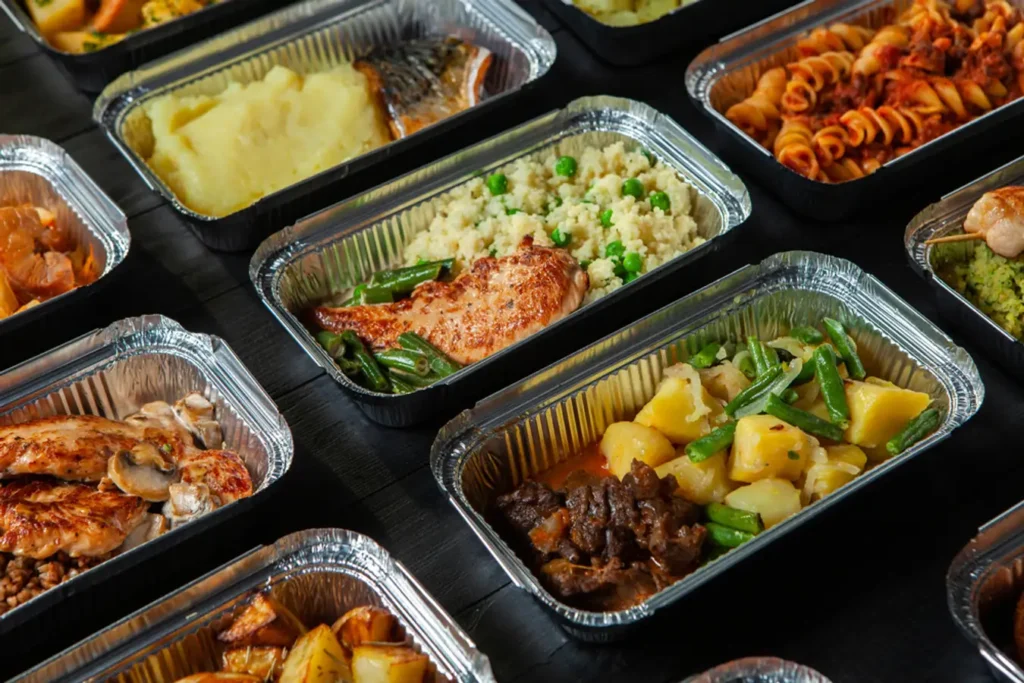
Thali-style meals naturally manage portion sizes with fixed allocations of sabzi, dal, roti, and rice, preventing overeating.
Healthy thalis reduce oil by 40–50%, add millets and whole grains, include more vegetables, and provide probiotics like curd or buttermilk for digestion.
Sudden shifts from regular to healthy menus may cause employee dissatisfaction. Gradual introduction—2–3 healthy dishes per week—ensures smoother adoption.
Education-based support like lunch & learn sessions further improves acceptance.
Incentives such as subsidized healthy meals or wellness reward points encourage behavioral change.
Transparent ingredient sourcing, documented cooking methods, and nutritionist involvement strengthen trust and program success.
Taste-testing sessions are essential to validate quality before full rollout and maintain employee confidence.
Healthy tiffin services are rapidly gaining market share as companies recognize the strong connection between nutrition, productivity, and employee well-being. The future lies in balanced food programs that offer both healthy and traditional choices—not restrictive “diet food.”
Forward-thinking providers such as CaterNexa understand that the future of packed food services in Noida is hybrid, nutrition-led, and employee-centric. Balanced meal programs will continue to shape workplace wellness, productivity, and overall employee satisfaction.