What Makes Industrial Catering Services in Noida Different? A Guide for Factories
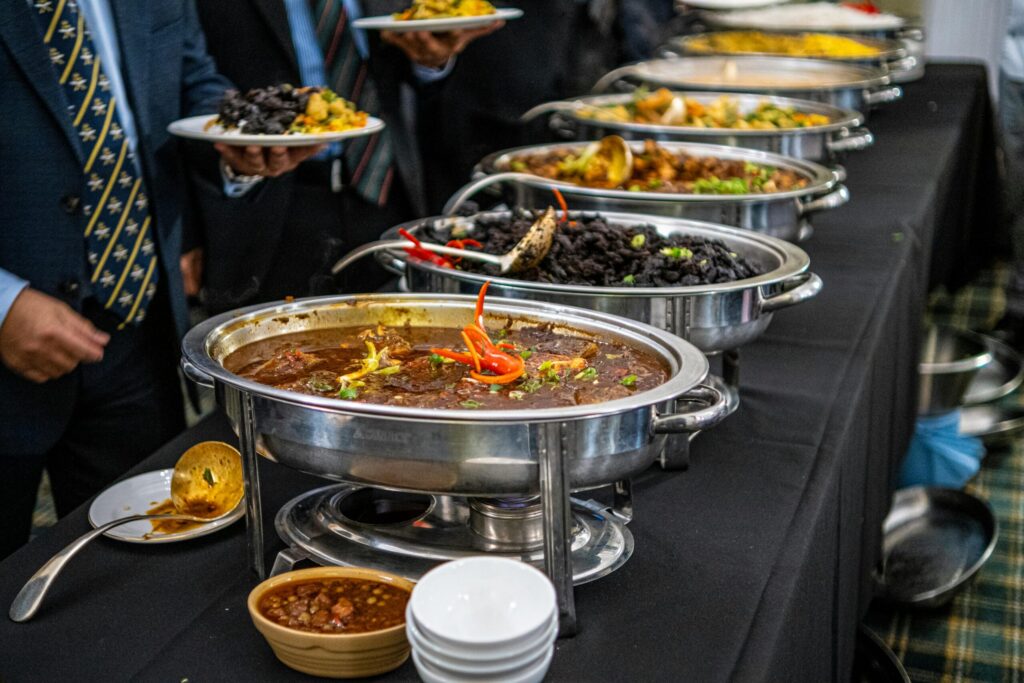
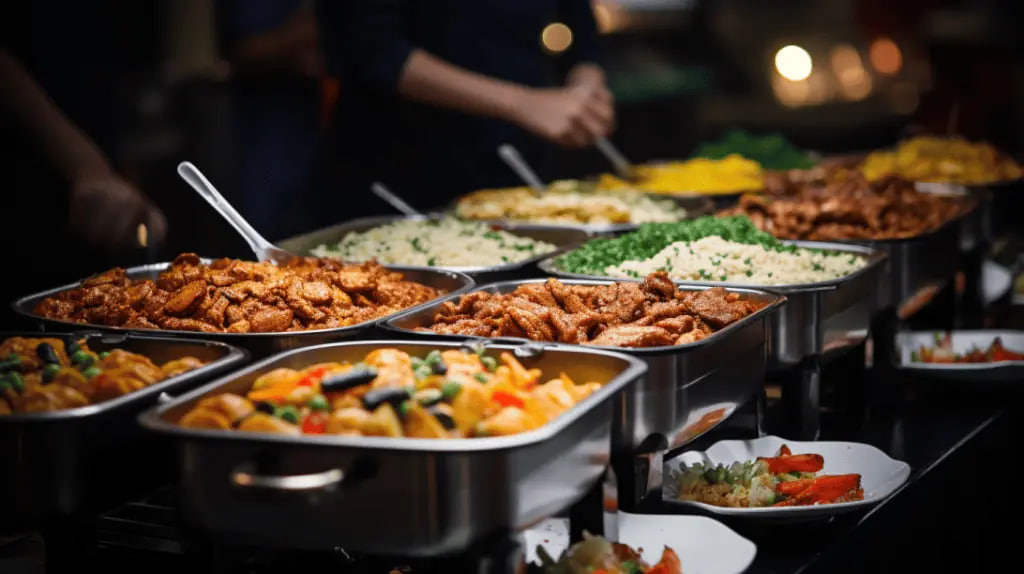
What Makes Industrial Catering Services in Noida Different? A Guide for Factories Factory operations require a different approach to food services compared to corporate offices. Industrial catering services in Noida must manage thousands of meals across multiple shifts, operate kitchens inside manufacturing environments, and support the strenuous physical demands of factory workers—all while following strict safety protocols. Studies show that proper industrial catering improves alertness and stamina, resulting in a 15–20% rise in productivity and a 12% reduction in workplace injuries. This guide helps factory managers understand what makes industrial catering distinct from corporate catering and how to choose a provider capable of meeting manufacturing-specific requirements. Volume and Scale Requirements Mass Meal Preparation Capabilities Industrial caterers serving 500–5000+ meals daily operate at a far higher scale than corporate caterers handling 50–200 meals. Consistently feeding thousands requires industrial-grade infrastructure, trained staff, and reliable processes. Batch cooking methods preserve flavor and nutrition. Large equipment—60-liter pressure cookers, 100kg rice boilers, chapati machines—ensure speed, consistency, and hygiene at scale. Volume also increases logistical challenges. Refrigerating 500kg of food daily and managing inventory for 2000 workers requires well-designed systems to prevent spoilage and shortages. Consistency is critical. All 2000 meals must match in taste, temperature, portion size, and nutrition. This requires standardized recipes, portion control tools, and strong quality checks. Multi-Shift Operations and Timing Flexibility 24/7 Service Requirements Factory shifts—Day (6 AM–2 PM), Evening (2 PM–10 PM), Night (10 PM–6 AM)—require round-the-clock meal preparation, unlike office lunch timings of 12–1 PM. Cafeteria management services in noida for factories maintain staff and kitchen operations round-the-clock, preparing fresh meals aligned with shift schedules rather than conventional office timings. Staggered breaks mean caterers must serve 200–300 employees in waves over 2–3 hours without compromising food temperature or quality. Menu Adjustments for Physically Demanding Work Factory workers burn 2,500–4,000 calories daily—nearly double the caloric burn of a desk worker. Meals must be substantial yet not excessively heavy. Carbohydrate-rich dishes provide sustained energy, while protein (dal, paneer, legumes) supports stamina and muscle recovery. Hydration is a priority, especially for workers in hot environments such as foundries. Menus often include buttermilk, lemon water, and nimbu paani to maintain hydration and electrolyte balance. Challenges of On-Site Kitchen Infrastructure Operating Within Industrial Environments Factory kitchens are built inside industrial zones with strict space, utility, and regulatory limitations that do not apply to regular commercial kitchens. Hygiene must be maintained in dusty, noisy environments. Many factories require isolated prep zones, positive air pressure systems, and strict contamination controls. Fire safety, ventilation, and electrical load are governed by industrial building codes—far more rigorous than commercial kitchen norms. Only specialized caterers can meet these standards. Space planning is critical. Kitchens must be strategically laid out to avoid disrupting factory operations while ensuring smooth workflow and equipment placement. The Workforce and Menu Diversity Regional and Cultural Preferences Factories employ workers from Bihar, UP, Rajasthan, and Bengal—each with unique dietary tastes and expectations. A diverse meal cycle must feature North Indian, South Indian, Bengali, and Rajasthani dishes to avoid monotony and cater to cultural preferences. Dietary restrictions are essential: separate veg/non-veg sections, halal meat sourcing, and Jain-friendly options (no onion/garlic) show respect for employee food beliefs. Communication & Feedback Challenges Factories often hire multilingual staff and use visual menus to ensure clear communication among workers with varied literacy levels. Balancing Budget & Value Factory meal subsidies typically fall between ₹40–80 per meal—significantly lower than corporate budgets. Caterers must maintain nutrition and quantity while staying within tight factory budgets. Workers compare meals with dhaba meals or home food, so perceived value must exceed expectations to avoid mass rejection. Safety, Compliance & Risk Management Strict Safety Regulations Food safety lapses can shut down entire production lines, making compliance non-negotiable. Industrial catering is governed by high-risk standards. Beyond FSSAI certification, industrial caterers maintain full Food Safety Management Systems (FSMS) with documentation, hygiene SOPs, and external audits. Regular medical checkups for food handlers are mandatory. Sick staff must be replaced immediately to avoid contamination risks. Temperature control during cooking, holding, and serving is essential. Many caterers now use digital temperature logs for real-time audits and compliance. Packed Food Services in Noida for Remote Sites Off-Site Preparation & Transportation Factories without kitchens—construction sites, remote plants, warehouses—rely on packed food services in Noida. Meals are prepared off-site, portioned, and delivered in insulated containers that keep food safe for 3–4 hours. Packaging must withstand rough industrial environments, prevent spills, maintain temperature, and allow easy stacking. Logistics involve coordinating delivery timings for multiple shifts, securing access to high-security sites, and distributing meals across large campuses. Technology-Enabled Operations Tech integration is now essential—attendance-linked meal ordering, automated inventory planning, and consumption-based menu algorithms. Cashless meal cards and biometric authentication reduce friction and eliminate cash-handling risks. Management dashboards help optimize nutrition, cost, waste, and employee satisfaction. Selecting the Right Industrial Catering Partner Factories should verify the caterer’s experience with similar environments—automotive plants, pharma units, warehouses, and heavy manufacturing. Corporate caterers rarely possess the specialized expertise needed. Review client lists, inspect kitchens, assess staffing strength, and check whether they can scale for seasonal peaks or factory expansions. Partnering with experienced Noida industrial caterers—such as CaterNexa—ensures worker safety, consistent quality, operational continuity, and value alignment. Conclusion Industrial catering in Noida is fundamentally different from corporate catering. It requires scale, 24/7 operational capability, nutrition for physically demanding work, rigorous compliance, and deep understanding of factory environments. Investing in a dependable industrial catering partner enhances productivity, safety, and worker satisfaction—far outweighing the cost differences.