
CaterNexa

Author name: SEO Agent

industrial catering services in noida
Uncategorized

Corporate Catering Services for Small Offices vs Large Corporates

There’s more to feeding employees than simply filling their stomachs. Quality corporate catering helps foster a positive workplace culture, improves productivity, and boosts job satisfaction. However, as a company grows, catering logistics become increasingly complex. A small startup with 15–20 employees has very different catering needs compared to a multinational corporation with thousands of staff. Yet, both require professional corporate catering services to keep employees satisfied and energized. This guide explores the differences between small-scale and large-scale corporate catering and how businesses can design effective food strategies based on size, budget, and operational needs. The Core Differences in Scope and Scale For small offices, catering is often a personal and occasional experience. For large corporates, it is an operational necessity driven by systems, processes, and speed. A caterer skilled at gourmet box lunches for board meetings may not be suitable for running a 24-hour cafeteria. Choosing the right partner begins with understanding that corporate catering requirements change dramatically with scale—not just in quantity, but in service style and execution. Agility and Flexibility for Smaller Offices Smaller offices with 10–50 employees value agility. Plans can change quickly due to surprise meetings or client visits. Corporate catering services for small teams must be adaptable. Menu planning is simpler, preferences are easier to track, and decisions are faster. In these environments, efficiency and taste matter far more than elaborate setups. Operational Consistency for Large Corporates Once an organization grows beyond 500 employees, catering becomes a logistics operation rather than a simple lunch order. Large companies prioritize throughput and consistency. Meals served at noon must taste identical to those served an hour later. This scale often requires on-site or finishing kitchens with hot food stations, service staff, and strict operational workflows. Budgeting per Head and Economies of Scale Despite ordering more food, large corporates often enjoy lower per-head costs due to economies of scale. Small offices typically pay more per meal because caterers cannot purchase ingredients in bulk. Menu Variety and Dietary Inclusivity In small offices, dietary needs are easy to manage individually. In large organizations, caterers must plan statistically. Menus are designed to accommodate vegetarian, vegan, gluten-free, keto, halal, and diabetic diets. This usually results in buffet-style dining with clearly labeled food stations to ensure safety and inclusivity. The Role of Cafeteria Management Services in Noida As business hubs grow, companies increasingly require full-scale cafeteria management services in Noida. These services go beyond food preparation and include: The corporate catering vendor becomes an extension of daily office operations, responsible for maintaining hygiene, service quality, and employee satisfaction. Managing Engagement and Preventing Food Fatigue Food fatigue is a common challenge, especially in large organizations where menus repeat frequently. Small offices avoid this by rotating vendors or restaurants. Large corporates rely on creative menu strategies such as: Industrial Catering Services in Noida vs Corporate Offices Industrial catering services in Noida differ significantly from corporate office catering. Factory workers require calorie-dense, nutrient-rich meals to support physical labor, often across 24-hour shifts. Industrial caterers focus heavily on hygiene, safety, and consistent energy supply, while corporate offices prioritize variety, presentation, and dietary preferences. Technology Integration in Corporate Catering Technology now plays a key role across all company sizes. Platforms like CaterNexa help businesses of all sizes discover, compare, and book reliable local caterers. Sustainability and Waste Management Small offices often struggle with packaging waste, especially during meetings. To address this, many caterers now offer biodegradable packaging or reusable bento-style boxes. Large organizations manage waste at scale through composting systems and food redistribution partnerships. The Importance of Account Management Small businesses often interact directly with caterer owners or chefs. Large corporates rely on dedicated account managers who handle contracts, analytics, and issue resolution—ensuring consistent service delivery. Hygiene Standards and Compliance Hygiene expectations differ by scale. Large organizations require: These measures minimize risks and protect operational continuity. Daily Meals vs Event Catering Daily office meals and event catering require different skill sets. Small companies may use simple tiffin services for daily meals and premium caterers for festivals or celebrations. Large corporates often expect one vendor to handle both—though this can be challenging if finesse is required for VIP events. Personalization and Company Branding For small businesses, branding may include custom desserts or themed food days. Large organizations focus on cafeteria design, food presentation, and alignment with brand aesthetics rather than individual menu branding. Contract Duration and Flexibility Small businesses benefit from short-term, flexible contracts due to changing headcounts. Large corporates prefer long-term agreements but require detailed exit clauses to maintain quality assurance. How to Identify the Right Caterer Feedback Loops and Employee Satisfaction Feedback is instant in small teams but requires structured systems in large organizations. QR codes, digital suggestion boxes, and meal ratings help caterers continuously improve service quality. The Future of Work and Corporate Catering Hybrid work models have reshaped corporate catering strategies. Many companies now opt for: This flexibility reduces waste and controls costs across organizations of all sizes. Conclusion Whether you manage a small startup or a large corporation, effective corporate catering services are essential to keep teams energized and engaged. Small offices need flexible, personalized partners. Large corporates require scalable, consistent, and process-driven vendors. The right catering service aligns with your company culture, budget, and operational needs. When done right, office meals become something employees genuinely look forward to.
office catering services in noida
Corporate Catering

Why Local Corporate Catering Services Are Better for Office Events

Food is more than just fuel for the body; it plays a crucial role in shaping workplace culture and event success. Whether it’s a major client meeting, a weekly team lunch, or a large annual conference, the quality of food can significantly influence mood, engagement, and overall experience. When planning office events, managers often face an important choice: should they opt for a large national catering chain or a local corporate catering service? Increasingly, businesses are choosing local caterers because they prioritize quality, personalization, reliability, and meaningful business relationships over mass production. Hiring local corporate catering services is not just about food delivery—it’s about creating memorable office experiences and building long-term professional partnerships. The Evolution of Corporate Catering Services Corporate catering has evolved over the years. Today, businesses seek sincerity, freshness, and authenticity from their vendors. Employees prefer meals that feel homemade rather than mass-produced. Local corporate catering services operate in a human-centered environment. They focus on taste, freshness, and nutrition rather than shelf life or long-distance transportation. This shift boosts employee morale and productivity, as quality food reflects a company’s care for its workforce. Fresh food equals vital energy for the workplace. Unlike heavily processed meals, fresh, locally prepared dishes fuel productivity and reduce post-lunch fatigue. Freshness Through a Simplified Supply Chain One of the biggest advantages of local corporate catering services is proximity. Unlike national chains that may prepare food in distant facilities, local caterers cook meals close to your office. For example, salads made with freshly harvested greens are far more nutritious than those prepared weeks in advance using preserved ingredients. Fresh food enhances energy levels and keeps employees focused throughout the day. The Flexibility of Corporate Catering in Noida Every business hub has its own rhythm and dietary preferences, especially in fast-paced regions like NCR. Corporate caterers in Noida understands these local business dynamics better than remote headquarters ever could. Local caterers offer unmatched flexibility. Need to increase headcount at the last minute? A local partner is far more likely to accommodate changes without excessive fees. They also understand local traffic patterns, peak hours, and delivery challenges—ensuring timely service without stress. More Than Just Menu Choices Office catering services in noida specialize in customized menus tailored to company culture and employee preferences. This customization transforms a standard office lunch into a meaningful experience that reflects company values. Catering Services in Noida and Workplace Diversity Noida’s corporate environment is culturally diverse. Local catering services are experienced in handling multiple cuisines and dietary requirements, including vegan, halal, gluten-free, and fasting meals. Because local businesses are smaller, clients can directly communicate with chefs or kitchen heads—ensuring transparency, ingredient clarity, and allergy safety. Cost-Effectiveness of Local Catering Services Contrary to popular belief, local catering services are often more affordable than national chains. They operate with lower overhead costs and minimal marketing expenses. With local caterers, you pay for food quality and service—not brand names. This often results in better ingredients, larger portions, and higher value for money. Building Long-Term Business Relationships Local caterers value relationships over transactions. Over time, they learn your preferences, saving time and effort for future events. This trust allows office managers to focus on other responsibilities, knowing that food logistics are handled smoothly and professionally. Reducing Carbon Footprint and Supporting Sustainability Using local corporate catering services supports sustainability by reducing food miles and carbon emissions. Local caterers in Noida increasingly adopt green practices, helping companies meet their sustainability goals. Presentation and Local Aesthetics Local caterers often treat food as an art form. Their presentation uses high-quality materials and thoughtful design, enhancing the visual appeal of corporate events. This attention to detail reinforces brand value and elevates the overall event experience. Adapting Quickly to New Food Trends Food trends evolve rapidly. Local caterers are agile and can adapt menus quickly to meet changing employee preferences—whether it’s gut-friendly meals, plant-based options, or new superfoods. This flexibility keeps meals exciting and boosts employee satisfaction. The Importance of Trust in Corporate Catering Services Catering involves trust. Local businesses rely heavily on reputation and word-of-mouth, ensuring high standards and consistent service. Choosing caterers within your corporate park or business network allows for transparency, referrals, and reduced risk. Supporting the Local Economy When you choose local corporate catering services, your investment supports local chefs, farmers, drivers, and suppliers. This aligns with Corporate Social Responsibility (CSR) initiatives and demonstrates community involvement. How to Choose the Right Local Catering Partner Clear communication and site visits help avoid logistical issues and ensure smooth event execution. Conclusion Catering can make or break an office event. While large chains offer standardized solutions, local corporate catering services provide superior quality, flexibility, and personalization. Whether you are looking for corporate catering in Noida or elsewhere, choosing local means better food, better service, and stronger partnerships. You’re not just ordering lunch—you’re investing in your team, supporting the local economy, and creating memorable workplace experiences.

corporate meal boxes in noida
Packed Food Services

Cafeteria vs Meal Boxes – Which Is Better for Large Offices?

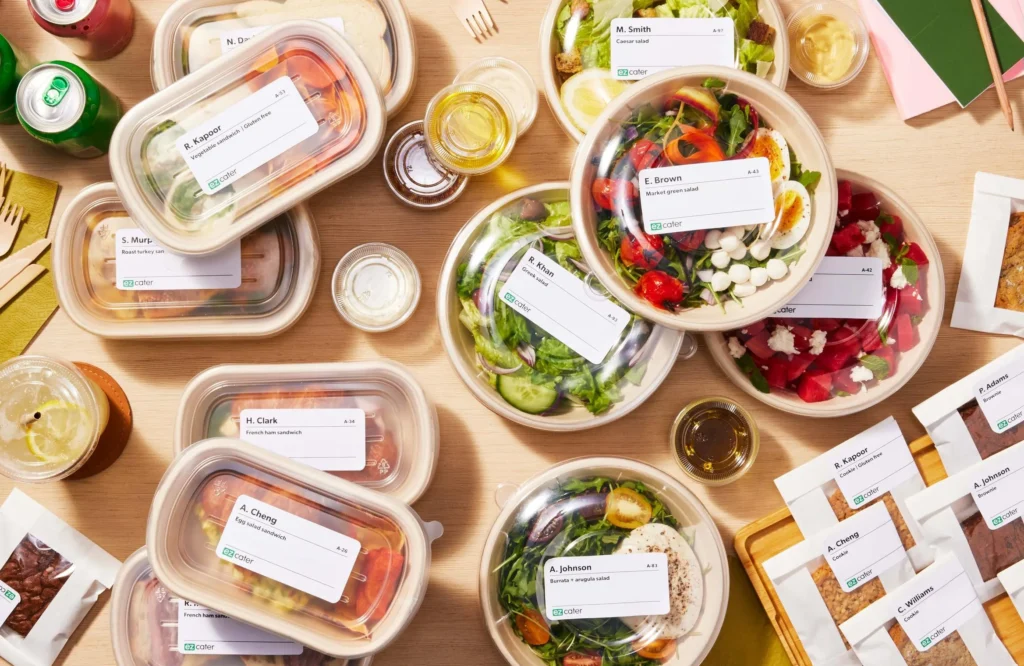
The lunchtime scene in large offices often reveals more about a company than any client meeting. You can tell instantly whether the workspace values employee comfort, time efficiency, and nourishment—or just hopes people “manage somehow.” As more companies in NCR rethink their dining infrastructure, the debate between corporate meal boxes in Noida and traditional cafeterias has intensified. Both serve the same purpose—feeding teams efficiently—but their logistics, costs, flexibility, and impact differ dramatically. So, which one truly fits the rhythm of modern corporate life? Let’s dive deep into both models, backed by practical experience managing food solutions for workplaces across Delhi NCR. Why the Choice Between Cafeterias and Meal Boxes Matters Lunch isn’t just about hunger—it’s cultural. It dictates how your team interacts, how health-conscious your organization is, and even how efficiently your facility operations run. An ill-planned meal system can cause delays, increase food waste, or worsen employee satisfaction. For HR and admin managers in large offices, the decision is both logistical and emotional: how do you feed hundreds daily without chaos, compromise, or cost overruns? As someone who has worked closely with cafeteria services in Noida and corporate meal providers like CaterNexa, the answer isn’t simple—but it’s measurable. Let’s compare both models using actual operational parameters. Understanding Both Models Clearly What Are Corporate Meal Boxes? Corporate meal boxes in Noida are pre-portioned, hygienically packed meals—delivered ready to eat. They typically arrive just before lunchtime, neatly stacked, labeled, and sealed. Meal box catering has evolved far beyond basic tiffins—it’s a sophisticated service designed for convenience, hygiene, and controlled portions. What Are Cafeteria Services? Cafeteria services in Noida typically serve hot meals at designated dining areas inside office premises. These setups accommodate large employee volumes, offering multiple menu options, live counters, and a shared dining experience. While they enhance interaction and variety, cafeteria setups require maintenance, constant supervision, and ongoing vendor management. Choosing Between the Two: Key Considerations 1. Space Requirements Verdict: Workplaces with limited space or shared office floors often benefit from corporate meal boxes. 2. Operational Logistics Managing meal distribution at scale is both art and science. Pro Tip: Companies often underestimate the daily workload cafeteria management adds to admin teams—procurement, feedback collection, and oversight all take time. 3. Quality and Hygiene The biggest employee concern? Food hygiene. Providers like CaterNexa handle both cafeteria setups and boxed deliveries—but central kitchens still govern safety. Outsourcing to professional partners ensures consistency. Meal boxes: Cafeteria services: Verdict: Meal boxes offer predictable hygiene. Cafeterias depend more on management vigilance. 4. Menu Variety Nobody enjoys repeating meals every week. In large workplaces, variety inspires satisfaction and reduces food fatigue. Cafeterias have the upper hand here—but only if vendors plan menus innovatively. 5. Cost Efficiency At first glance, cafeteria setups seem cost-effective due to volume-based operations. However, hidden costs like infrastructure, power, maintenance, and manpower often offset savings. Corporate Meal boxes, on the other hand, operate on per-meal pricing with minimal overhead. Billing remains transparent, and wastage costs are lower due to controlled portions. Factor Cafeteria Services Corporate Meal Boxes Infrastructure Cost High Minimal Maintenance Continuous Vendor-managed Portion Control Varies per employee Fixed Wastage Moderate to High Low Billing Simplicity Complex Straightforward Verdict: Meal boxes win on cost predictability and scalability. 6. Employee Experience Food impacts morale. Community dining fosters social bonds, a sense of belonging, and informal team building. Cafeterias provide that shared experience—especially valuable for hybrid and new-age companies rebuilding in-office culture. Corporate Meal boxes, however, suit workplaces with time-sensitive or shift-based operations. They allow employees flexibility to eat at their desks or during staggered breaks. Pro Tip: For offices with 70%+ active employee attendance, a cafeteria justifies itself. For hybrid workplaces, Corporate meal boxes are more practical. Diving Deeper Into Each Model’s Strengths Cafeteria Services in Noida: Traditional but Transformative The cafeteria model remains iconic for enterprise-level companies, manufacturing hubs, and technology parks. Done right, it becomes a social anchor. Benefits Challenges How Experts Manage It Professional partners design cafeteria ecosystems using predictive consumption data, automation for tracking stock, and cafeteria layout mapping to manage queues. At CaterNexa, cafeteria teams run like miniature logistics operations—balancing kitchen timing, floor service, and quality checks within 15-minute intervals. A smart cafeteria is no longer a buffet—it’s a data-driven hub. Packed Food Services in Noida: A Modern, Compact Alternative Now, let’s compare with packed food services in Noida, which are redefining how large or hybrid workplaces approach food distribution. Benefits Challenges Yet for modern offices across Noida’s industrial or IT zones, compact meal-box delivery has become the go-to solution for ensuring consistent nutrition without space or staffing overhead. Hybrid Solutions: The Best of Both Worlds Instead of choosing one over the other, some facilities blend both approaches—using cafeteria setups during high-occupancy phases and meal boxes during remote or half-shift days. How it Works: This “hybrid dining” trend took off after the pandemic, and partners like CaterNexa fine-tuned it to give corporates both control and flexibility. Health and Nutrition Perspective No matter the setup, modern employees prefer nutritionally balanced meals that sustain energy without post-lunch fatigue. With Corporate meal boxes, portion control naturally limits overeating. Boxes are designed with appropriate protein-carb-fat ratios. Cafeterias can, on the other hand, showcase salads, fresh fruits, or protein stations more easily. Consistency is key. A good vendor focuses on nutrition plans, not just menus — ensuring industrial and tech employees alike receive meals suited to activity levels. Food Safety and Compliance Safety standards should never depend on format. Both corporate meal boxes in Noida and cafeterias need: Corporate Meal boxes reduce exposure points (less handling), while cafeterias require round-the-clock cleaning. Transparency earns trust — regular audits, digital feedback systems, and quality testing reinforce confidence in both models. Sustainability and Waste Management Modern businesses now weigh environmental impact when structuring meal programs. Cafeteria services in Noida increasingly adopt steel or reusable crockery instead of disposables, while packed food services in Noida lean toward biodegradable containers and compostable cutlery. Innovators even collect used packing materials for recycling—closing the loop on meal logistics.

Call Now Button